D.E.A. Domestic Energy Assessor.
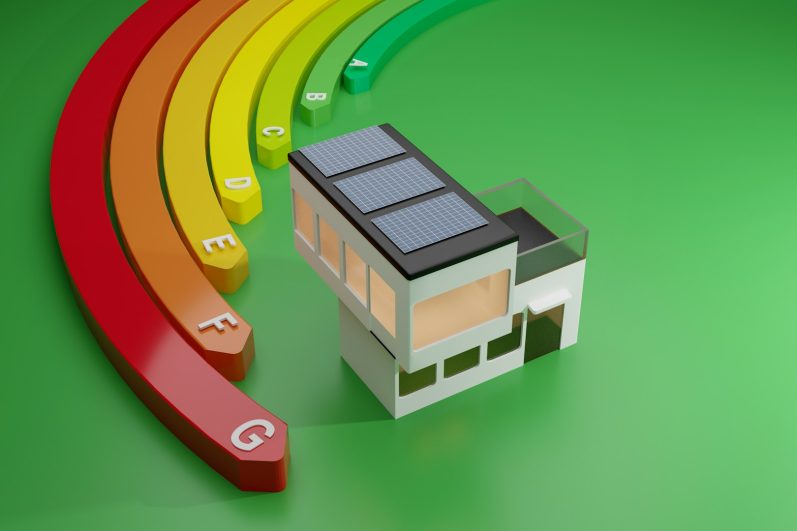
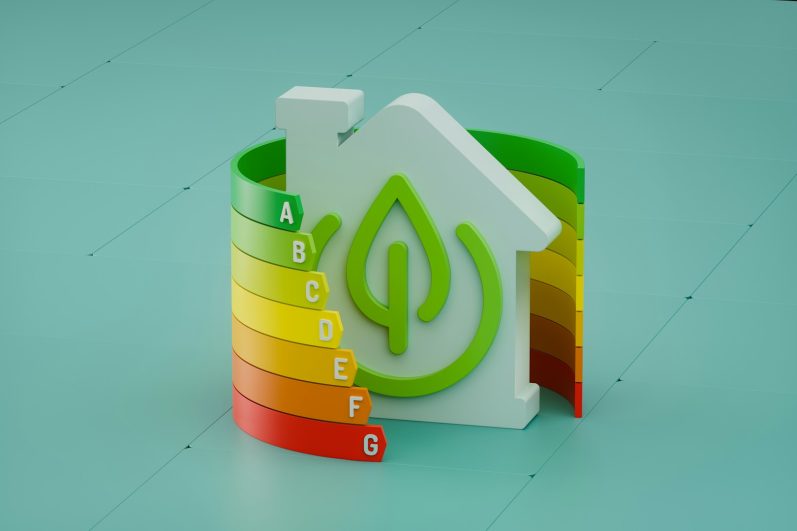
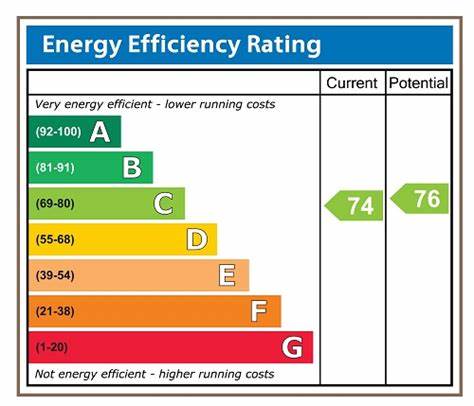
A Domestic Energy Assessor (DEA) is a qualified professional tasked with evaluating the energy efficiency of residential properties. The primary responsibility of a DEA is to conduct assessments for Energy Performance Certificates (EPC) on existing domestic buildings. They meticulously analyse heat loss, identify areas of energy wastage, and recommend potential upgrades to enhance a home’s warmth, healthiness, and overall cost-effectiveness. Upon completion of their evaluations, DEAs generate EPCs, which serve as the official documentation reflecting a property's energy performance rating, ranging from A (indicating high efficiency) to G (indicating a significant need for improvement). Domestic Energy Assessors play a vital role in various sectors, including: - Property sales and rentals where EPCs are mandated by law - Assessment of social housing and local authority housing stock - Retrofit initiatives across the United Kingdom - Assisting landlords in complying with Minimum Energy Efficiency Standards (MEES) - Supporting grant applications and ensuring regulatory compliance DEAs are critical agents in the ongoing effort to decarbonise the United Kingdom's housing sector, addressing the energy efficiency of over 29 million homes—one assessment at a time.
RETROFIT ASSESSOR
A Retrofit Assessor is an expert tasked with evaluating existing structures to pinpoint potential enhancements in energy efficiency. The key responsibilities of this role encompass: 1. Conducting comprehensive assessments of various building components, including insulation, heating, ventilation, air conditioning systems, lighting, and appliances. 2. Employing specialised tools and software to gather data pertinent to energy consumption and thermal performance. 3. Formulating actionable recommendations and strategies aimed at improving the energy efficiency and sustainability of the building. 4. Collaborating effectively with homeowners and Retrofit Coordinators to implement energy-efficient solutions. Typically, Retrofit Assessors are employed by energy consultancy firms, environmental organisations, or operate as independent consultants.
DAMP, MOLD, CONDENSATION
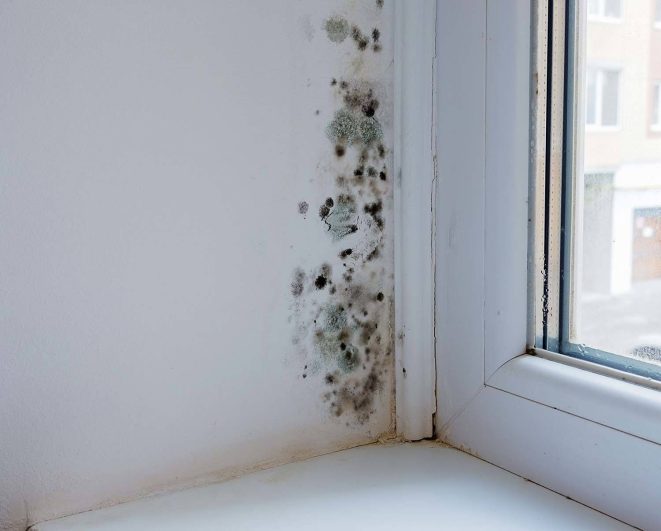
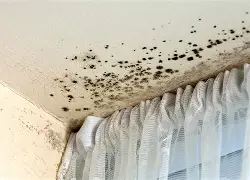
**Damp, Mould, and Condensation:** Condensation arises when warm, moist air is exposed to cooler temperatures, resulting in the air reaching its dew point, thereby losing its capacity to retain moisture. This phenomenon manifests as the formation of water droplets on various surfaces. Condensation is especially common in environments that experience elevated humidity levels or marked temperature contrasts between indoor and outdoor settings. A typical occurrence involves condensation on windows during the colder months or along walls following activities that produce steam, such as cooking or bathing.

AIR TIGHTNESS TESTING
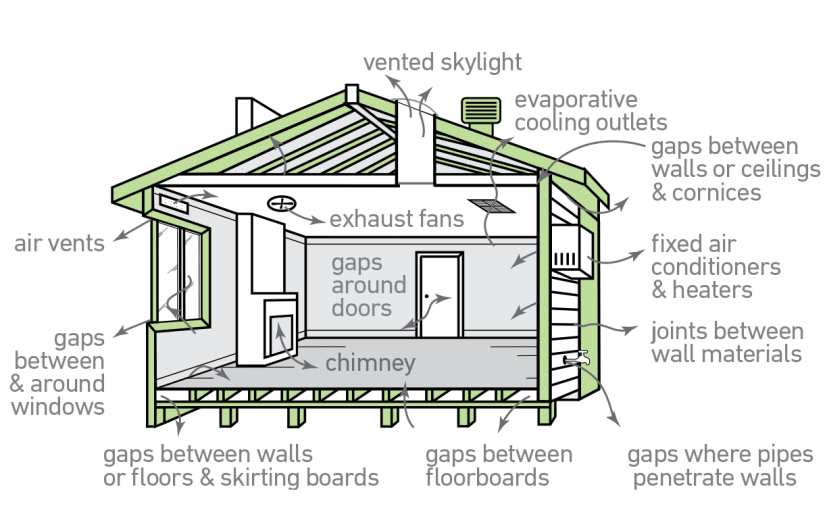
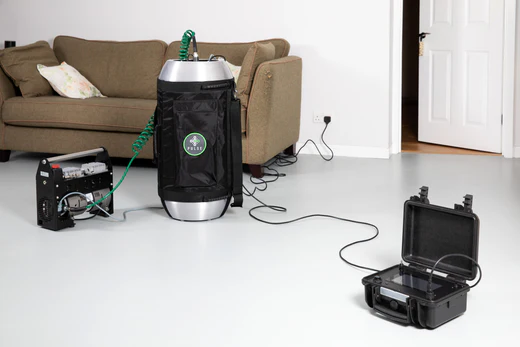
Air tightness testing assesses the extent of air leakage in and out of a building, thereby ensuring energy efficiency, occupant comfort, and adherence to building regulations. **What is Air Tightness Testing?** Air tightness testing, also referred to as air permeability testing or blower door testing, is a procedure that evaluates the effectiveness of a building's envelope by quantifying air leakage through various openings, including gaps, cracks, and inadequately sealed junctions. While no building can achieve complete air tightness, excessive air leakage can result in increased energy costs, discomfort due to draughts, dampness issues, and non-compliance with regulatory standards. This testing is typically mandated for new constructions, significant renovations, commercial properties, educational establishments, as well as projects designed to meet low-energy or Passivhaus standards.